On track to retire with near $1 million or more?
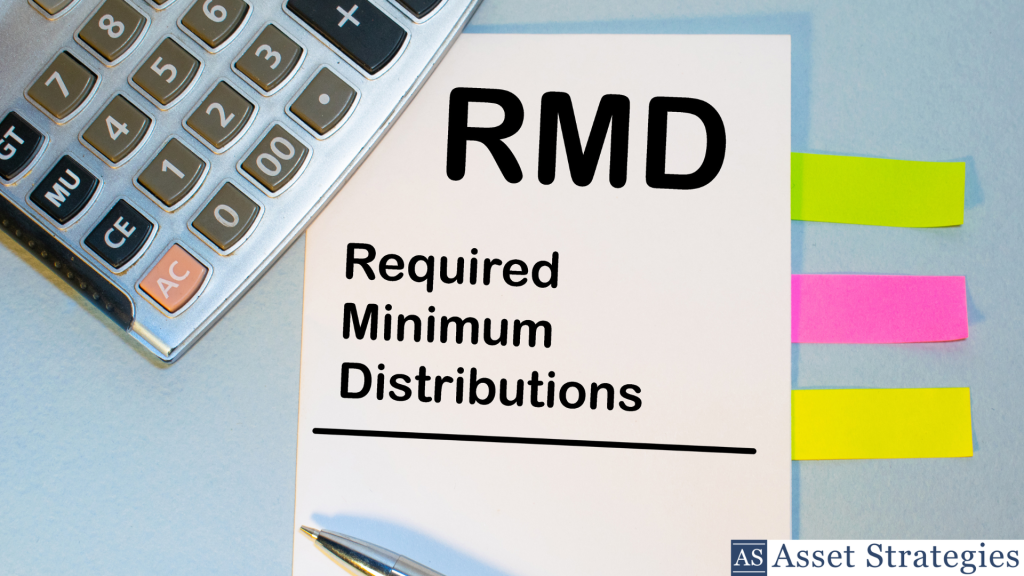
Here’s 3 little letters you should know about now: RMD.
If you’re not careful, you could end up owing far more in taxes than you might expect in retirement, no thanks to these 3 little letters.
But the sooner you plan, the more time you could have to mitigate the impact. And potentially reduce your lifetime tax obligation.
What is an RMD?
RMD stands for Required Minimum Distribution.
These are required withdrawals from your tax-deferred retirement accounts. The most common of which are traditional IRAs and 401(k)s.
Until you turn 73 (or 75, if you were born in 1960 or later), any amount you choose to withdraw from those accounts is voluntary.
After you turn 73, you are required to take out a minimum withdrawal each year, until the account runs out, or you do.
Basically, the IRS says they’re tired of waiting for you to pay the taxes you still owe on these tax-deferred accounts. By requiring withdrawals, the IRS can expect at least that much taxable income for the year.
How are RMDs linked to higher taxes?
Depending on how much you’ve saved and how your IRA or 401(k) has grown, these RMDs could add up to significant taxable income each year.
For some good savers, their RMDs could be even more than they earned while working.
That means:
- More taxable income.
- A potentially higher marginal tax bracket.
- Taxes due on up to 85% of Social Security income.
- And potentially higher Medicare premiums, to boot.
And because the IRS makes RMDs mandatory after 73, you don’t want to wait. Once you turn 73, you could have little choice left but to pay up.
What strategies could help?
A good financial advisor could help you plan for RMDs, many years in advance.
If it makes sense for your personal situation, they may help you strategically move some of your money from your IRA or 401(k) before RMDs kick in. This could be through withdrawals, Roth conversions, or another personally relevant strategy.
For many retirees, there’s a “golden window” for this in the first few years of retirement. They stop receiving a paycheck. They haven’t filed for Social Security yet. And their taxable income could be relatively low. This could be an ideal time to make a move.
Withdrawals must still be reported as taxable income, of course. But using these years for strategic tax planning could help you make the most of lower tax brackets. And potentially reduce your lifetime taxes.
Of course, it’s important to do this in coordination with a qualified tax professional who is familiar with your individual circumstances. Mistakes can be costly, and trigger unnecessary taxes and penalties. And that’s the last thing we’d want for you!
This article was written for financial advisory clients of Asset Strategies. If you’re not yet a client and you’d like to speak with a financial advisor about how they could help you be more ready for retirement, request a Ready for Retirement Review here.